Costs & prices explained
What drives the cost of a rural heat pump?
The cost of an air source heat pump in rural Scotland depends on property size, wall type, what is being replaced, radiator upgrades, pipe runs, and electrical supply. No two rural properties cost the same — a survey gives you a fixed written quote with no surprise extras. Interest-free credit up to £30,000, subject to status.
We do not publish a fixed price list because a fixed price without a survey is not honest. What we can do is explain what drives the cost up or down on a rural property.
The six cost factors
What changes the price?
Property size and heat loss
A larger house needs a larger heat pump and more radiator or underfloor capacity. The heat loss calculation, done room by room at survey, is the single biggest driver of cost.
Wall and insulation type
Solid stone walls, common in rural Scotland, lose more heat than cavity walls. If the insulation is poor, the heat pump has to be bigger, or insulation has to come first. Both add cost.
What is being replaced
Swapping an oil boiler for a heat pump is usually straightforward because the pipework and radiators already exist. Replacing electric storage heaters means installing a full wet system from scratch, which costs more.
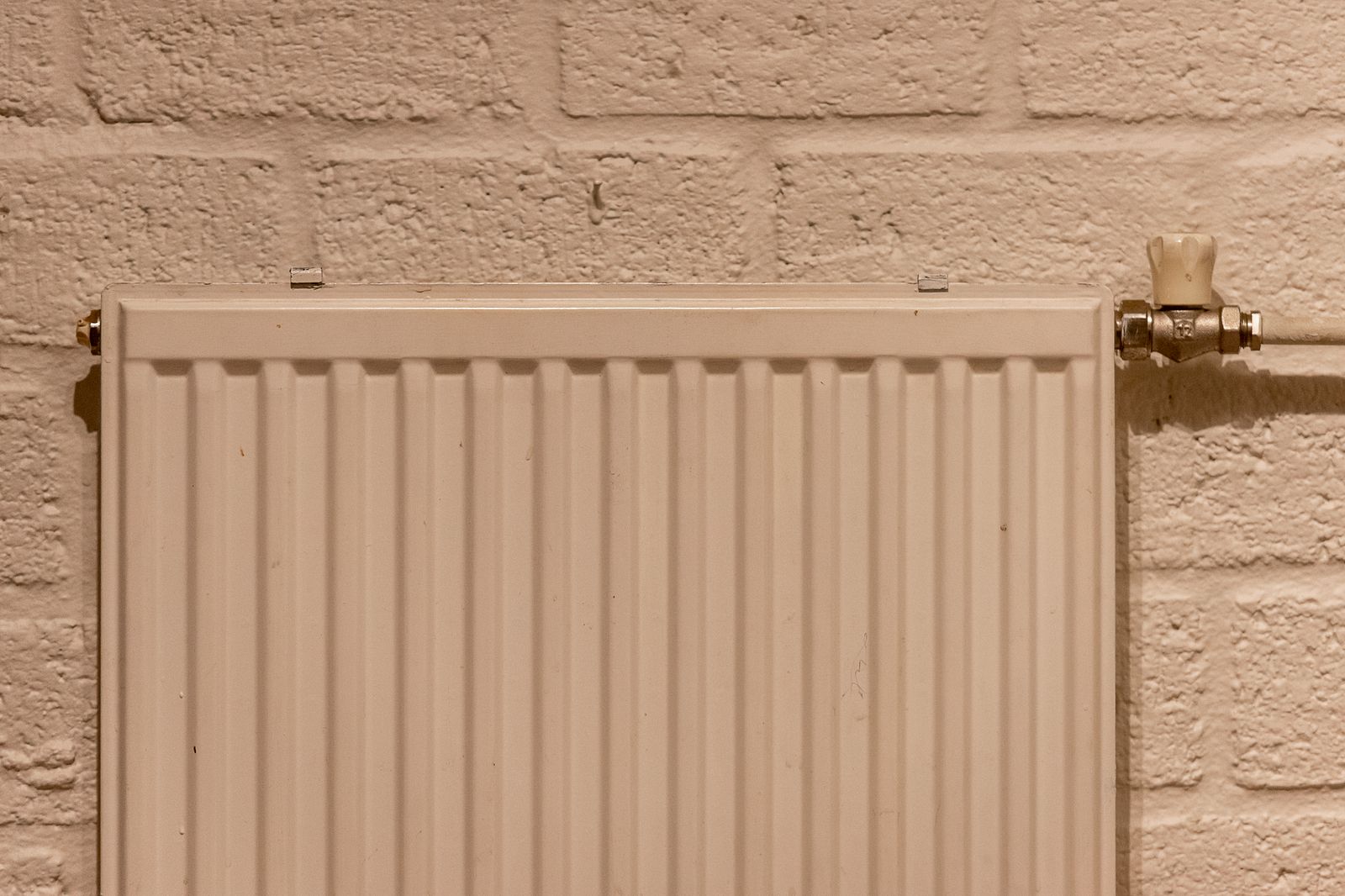
Radiator upgrades
Heat pumps run at lower flow temperatures than boilers, so radiators often need to be larger to deliver the same heat. Some can be kept, some need replacing — the survey decides.
Pipe runs and location
Rural properties often have long pipe runs between the heat pump unit, the hot water cylinder, and the heating zones. Longer runs mean more materials and more labour.
Electrical supply
Most air source heat pumps run on a single-phase supply, which is standard in rural Scotland. If the property has an older or limited supply, an electrician may need to upgrade it before installation.
VAT
Is there VAT on heat pump installations?
No. There is 0 percent VAT on qualifying domestic heat pump installations until 31 March 2027, as set by HMRC. The quote you receive will reflect this. Interest-free credit up to £30,000, subject to status.
Key facts
- •Cost depends on property size, wall type, fuel being replaced, radiators, pipe runs, and electrical supply
- •No two rural properties cost the same — a survey gives you a fixed written quote
- •0% VAT on qualifying domestic heat pump installations until 31 March 2027
- •Interest-free credit up to £30,000, subject to status
- •No deposit required to get a quote
- •Fixed written quote with no surprise extras
Last updated: 28 October 2026
FAQ
Cost and quote questions
Can a heat pump replace oil or LPG heating in a rural Scottish home?
Yes. Replacing oil or LPG with an air source heat pump is one of the most common upgrades we carry out in rural Scotland. The existing radiators and pipework can often be retained, though some radiators may need upgrading to larger sizes because heat pumps run at lower flow temperatures. A room-by-room heat loss calculation at survey determines exactly what stays and what changes.
Can I keep my existing radiators and hot water cylinder?
It depends on the heat loss calculation. Heat pumps circulate water at lower temperatures than oil or gas boilers, so radiators sometimes need to be larger to deliver the same heat output. Some existing radiators can be kept; others may need upgrading. A modern hot water cylinder designed for heat pump use is usually installed as part of the system. The survey covers all of this and the fixed quote lists every change.
Is interest-free credit available for heat pump installation?
Interest-free credit up to £30,000, subject to status. We can discuss this during the quote process. The fixed written quote you receive after the on-site survey shows the full installation cost. No deposit is required to get a quote.
How do I get a quote for a rural heat pump?
Call us on 0141 230 0198 or fill in the quote form on this page. A surveyor will call you back within two working days to arrange an on-site visit. The survey takes about an hour and includes a room-by-room heat loss calculation. You then receive a fixed written no-obligation quote with the heat pump model and all work itemised.
How long does a heat pump installation take in a rural property?
A typical air source heat pump installation takes two to four days depending on the property. The surveyor assesses the complexity during the on-site visit, including pipe runs, radiator upgrades, and electrical work. The fixed written quote includes the expected timeline so you know how long the disruption will last before you commit.
Do heat pumps work in stone-built rural properties with solid walls?
Yes, but the solid stone walls common in rural Scotland lose more heat than modern cavity walls. The heat loss calculation accounts for the actual wall fabric, and some properties may need insulation upgrades before a heat pump is fitted. The survey measures wall U-values on site and the quote lists any insulation work required.
What is the warranty or guarantee on a heat pump installation?
The MCS commissioning certificate is issued on completion, and the installation comes with a written insurance-backed guarantee. The heat pump manufacturer warranty typically covers the unit for several years. The exact terms are confirmed in your fixed written quote at the time of survey.
Will a heat pump lower my heating bills compared to oil or LPG?
In most rural properties heated by oil or LPG, an air source heat pump reduces running costs because it uses electricity more efficiently than a boiler uses fuel. The actual saving depends on your property, insulation, and fuel prices. The survey includes a running cost estimate based on your heat loss calculation and current fuel costs.
Get a quote
Get a fixed written quote
Fill in the form and a surveyor will call you back to arrange a site visit.
Last updated: 28 October 2026 · Reviewed by the Scottish Energy Efficiency team